Selling a Cabin in Pitkin: What to Prepare Before Listing
June 25, 2026
June 25, 2026
Selling a cabin in Pitkin is not the same as selling a home in a more typical in-town market. Buyers here are often evaluating road access, winter use, wildfire readiness, and utility paperwork just as closely as the cabin itself. If you want a smoother sale and stronger first impressions, it helps to prepare for those questions before your listing goes live. Let’s dive in.
Pitkin sits at 9,242 feet in a forested part of Gunnison County, about 28.7 miles east of Gunnison near Waunita Pass. The area is known for year-round outdoor access, including hiking, biking, camping, fishing, hunting, snowmobiling, snowshoeing, and cross-country skiing.
That setting shapes how buyers view your property. A cabin in Pitkin is often seen as a lifestyle property with mountain-use considerations, not just a place with bedrooms and bathrooms. Many buyers may also be coming from outside the immediate area, so your preparation needs to answer practical questions clearly.
In Pitkin, access can make or break buyer confidence. Gunnison County Public Works maintains 850 miles of county, forest service, and BLM roads, but it plows about 215 miles of road, and many roads are not plowed in winter. The county also does not plow private roads or driveways except in a life-threatening emergency.
That matters because buyers want to know exactly what getting to the property looks like in January, not just in July. County guidance also notes that severe storms can delay plowing and that sub-zero conditions can last for weeks.
Before you put your cabin on the market, gather simple, accurate details about how the property functions in winter.
The more clearly you explain access, the more comfortable remote and out-of-area buyers will feel.
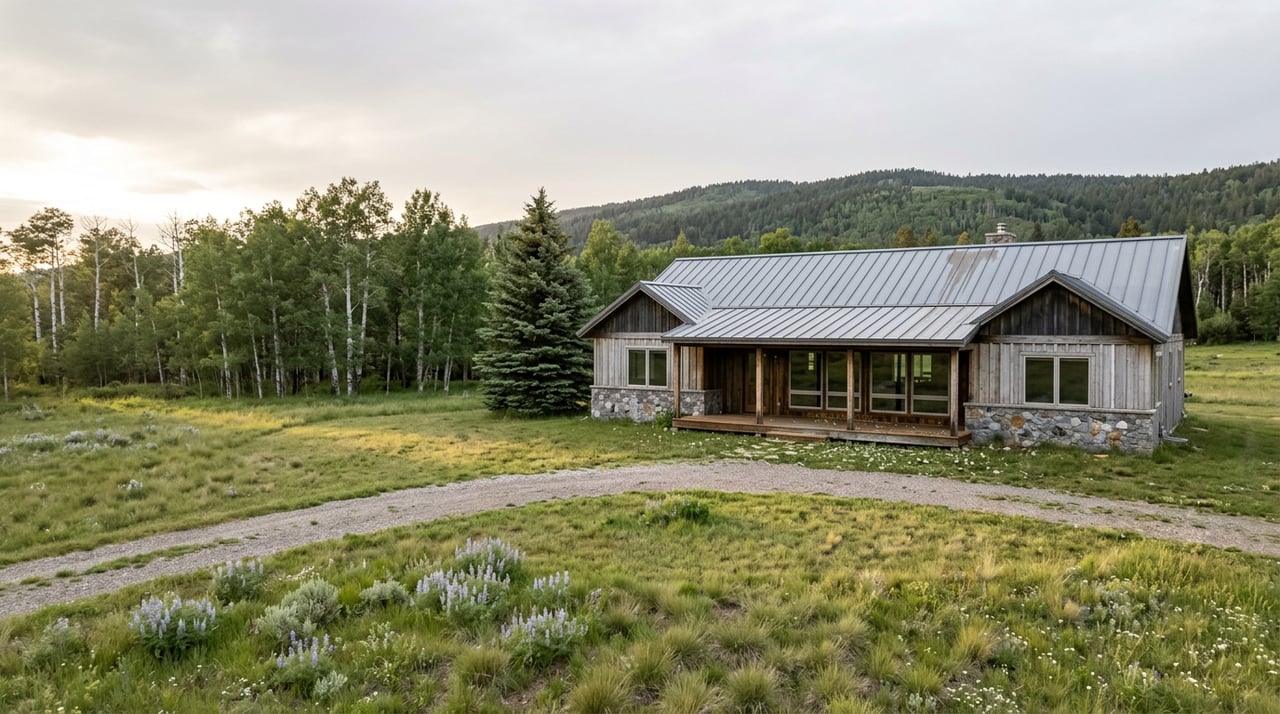
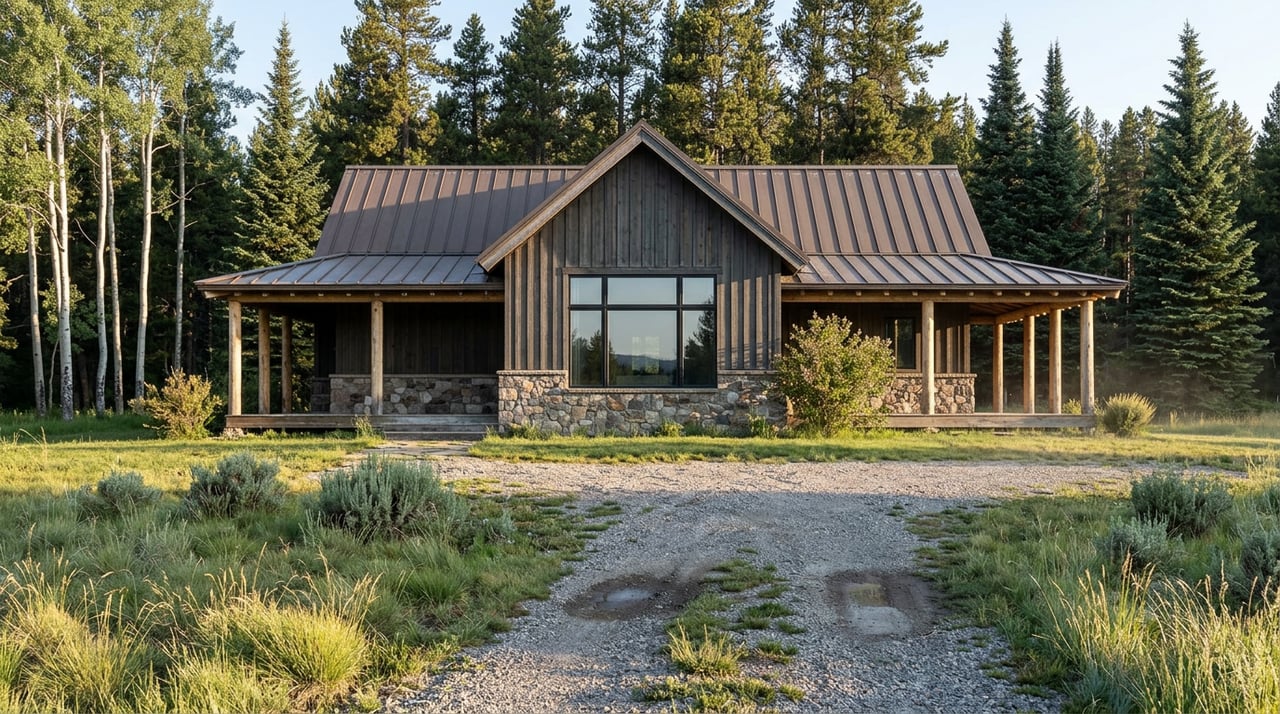
For mountain property, pictures of the interior are not enough. Buyers often need to see the road approach, driveway, parking setup, and how the home sits on the land.
Useful marketing materials can include winter and summer exterior photos, parking and turnaround shots, and a road-approach video. These details help buyers understand how the property actually works in all seasons.
Pitkin has adopted the 2025 Colorado Wildfire Resiliency Code and the 2018 International Residential Code. In a forested, high-elevation setting like Pitkin, wildfire prep is part of how buyers evaluate condition and ongoing care.
Colorado State Forest Service guidance recommends starting with the structure and working outward. That includes maintaining a Class A roof, clearing leaves and needles from roofs and gutters, screening vents, and maintaining defensible space zones from 0 to 5 feet, 5 to 30 feet, and 30 to 100 feet around buildings.
You do not need to create perfection. You do want to show that the property has been responsibly maintained.
Before listing, consider cleaning up the exterior areas buyers will notice most:
These steps can improve both presentation and buyer confidence. They also support the overall impression that the property is ready for mountain ownership.
Remote cabin buyers tend to ask detailed questions about past work. In Pitkin, having records ready can save time and reduce uncertainty during due diligence.
The Town of Pitkin handles zoning and building locally. Its building-and-zoning page says the Zoning Board serves as the authority on zoning matters, and building permits must be reviewed by two zoning board members and signed by the building inspector before construction. Gunnison County also notes that permits are required for common improvements such as additions, decks, fireplace or wood-stove installations, structural repairs, signs, and more.
If you have completed improvements over the years, gather as much supporting paperwork as possible before the home hits the market.
That can include records for:
Even if your records are incomplete, starting the file early gives you time to track down missing documents.
Utility documentation is especially important in a mountain sale. Pitkin requires well permits within town limits, and the town uses its own septic rules for on-site wastewater systems.
The town’s forms page routes OWTS applications to the Town Clerk or Environmental Health Agent and building or well permit applications to the Town Clerk or Building Inspector. Pitkin’s OWTS ordinance sets standards for location, design, construction, performance, installation, alteration, and use for systems within town.
A well-organized utility file can make your cabin easier to evaluate and easier to close.
Try to gather:
The Colorado Division of Water Resources says well permit records can be searched by address, applicant name, receipt number, or permit number, and that permit files may include allowable uses, the original application, and available construction or pump installation records.
Acreage, outbuildings, and long driveways can make rural property feel straightforward when it is not. Gunnison County’s map viewer can help with preliminary research, but the county says it should not be relied on for legal title, boundary lines, precise locations of improvements, ownership, maintenance, easements, or public rights-of-way.
That means a map screenshot is not enough if a buyer wants certainty about access or boundaries. If you have a survey, improvement location certificate, or recorded easement documents, keep them ready for review.
If these items exist for your property, they can be useful during the sale process:
These records can help answer questions early and prevent confusion later.
Colorado’s residential contract highlights several due-diligence items that matter in mountain property sales, including water rights, well rights, mineral rights, surveys or ILCs, and seller disclosures. The same contract also says that if a property has a small-capacity or domestic exempt well, the buyer must complete the change-in-ownership well form prior to or at closing, or within 60 days after closing if no closing service is used.
For sellers, the lesson is simple: the cleaner your file is upfront, the smoother your transaction is likely to be.
Before launching the listing, assemble a basic packet with the documents buyers and title professionals are most likely to request.
Include, when available:
Keeping town and county paperwork clearly separated is also a smart move, especially since Pitkin uses its own septic rules.
In a place like Pitkin, strong marketing should show more than charm and views. It should explain how the property performs across seasons.
That is especially important because Pitkin is a remote recreation-driven market served by regional airports within roughly 29 to 76 miles, rather than a nearby metro hub. Buyers who are traveling in from elsewhere often need a fuller picture before they decide whether to visit or make an offer.
For a remote mountain cabin, the most helpful listing materials often include:
This kind of preparation does more than make the home look good. It helps buyers picture ownership and ask better questions from the start.
If you are selling a cabin in Pitkin, the goal is not just to make it look appealing. The goal is to make the property easy to understand. Access, winter logistics, wildfire mitigation, permits, and utility records all shape how buyers view value and risk.
When you prepare those details in advance, you give your listing a better chance to stand out for the right reasons. If you want practical help preparing and marketing your mountain property in Pitkin or anywhere in the Gunnison Valley, reach out to Bobby Overturf.
Stay up to date on the latest real estate trends.
I pride myself on informing and educating my clients to make better real estate decisions. Contact me today to find out how I can be of assistance to you!