Choosing Between A House And Condo In Gunnison
May 14, 2026
May 14, 2026
If you are trying to choose between a house and condo in Gunnison, you are not just picking a floor plan. You are deciding how much winter work, flexibility, storage, and shared responsibility you want in your day-to-day life. In a mountain market like Gunnison, that choice can affect everything from snow removal to rental plans, so it pays to look past square footage and ask better questions. Let’s dive in.
In many places, the house-versus-condo decision comes down to privacy and price. In Gunnison, winter access and snow responsibilities can change the equation in a big way. That is especially true if you are buying a full-time home, a second home, or a lock-and-leave basecamp.
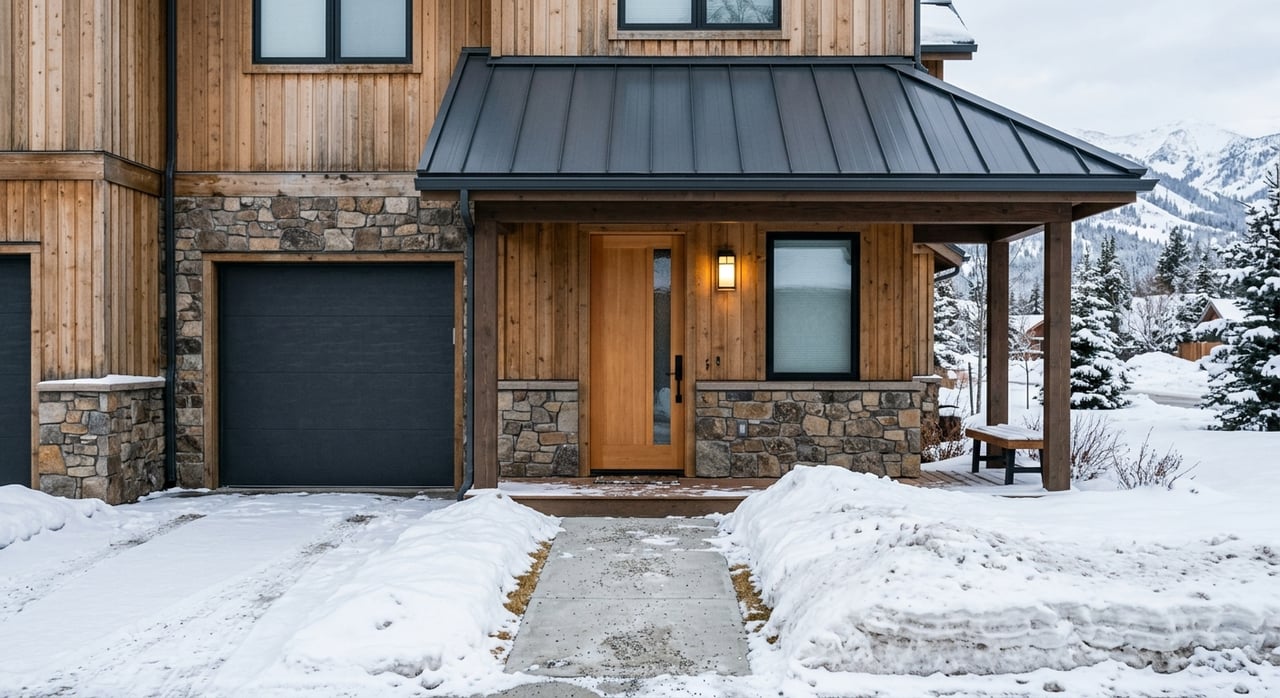
Gunnison County says its snow program is focused on safe travel on county roads, with plow operations typically running from 4 a.m. to 6 p.m. The county also notes that delays can happen during severe storms, and it does not handle snow removal on private driveways or private roads except in a life-threatening emergency. For buyers, that means access is not something to assume. It needs to be checked property by property.
Inside the City of Gunnison, owners, occupants, or agents are required to keep adjoining sidewalks, parking areas, and curbs clear within a reasonable time after snowfall. The city also sets a private snow-removal agreement season from October 1 through May 30. In plain terms, snow is part of ownership here, and your property type can shape how much of that work lands on you.
A single-family house usually gives you more control over your property. You may have more room for gear, guests, vehicles, and future improvements. If you like having your own space and making your own decisions, that can be a major advantage.
That added control usually comes with added responsibility. With a house, you may be the one handling driveway clearing, roof and ice management, and figuring out where snow can be stored during the winter. Gunnison County says snow from driveways, sidewalks, and parking lots should stay on private property and should not be pushed into the roadway or right-of-way.
Winter access can also vary more with houses, especially outside the most serviced areas. Gunnison County states that many roads are not plowed in winter and that private roads are generally not county-plowed. If you are looking at a home on a county road or private access road, this should be part of your due diligence from the start.
A house may be the better fit if you want:
That said, a house is not always a no-rules option. Some single-family homes are still part of an HOA, and governing documents may control things like exterior painting, landscaping, or structural changes.
A condo can reduce some of the hands-on exterior work that comes with a house. In general, the HOA board collects fees, maintains common areas and elements, and enforces community rules. For many buyers, that shared structure is a plus, especially if you want simpler ownership or spend only part of the year in Gunnison.
In this market, the condo advantage is often less about lawn care and more about winter logistics. The key question is whether the association handles plowing, sidewalks, exterior maintenance, and roof or ice issues. Those details should never be assumed. They need to be verified in the governing documents and confirmed for the specific property.
A condo can be appealing if you want a more lock-and-leave setup. You may have less exterior work to manage yourself, but you also agree to shared rules, monthly dues, and less direct control over some aspects of the property.
A condo may be the better fit if you want:
The tradeoff is that convenience comes with structure. You will want to know exactly what the HOA covers, what it does not cover, and how decisions are made.
A condo can look less expensive at first glance, but the full monthly cost may tell a different story. HOA dues are usually paid separately from the mortgage payment, and they can range from a few hundred dollars per month to more than $1,000 per month. Your total housing cost should include principal and interest, taxes, insurance, and any separate HOA fees.
HOA fees also vary based on the location, age, condition, value, and amenities of the property. Fannie Mae notes that a portion of those fees should go to reserves, and some associations may charge special assessments for major one-time expenses. That means a condo budget should include more than just the list price and monthly dues.
A house may have no HOA dues, or it may still sit in an HOA-controlled community. Even without dues, you may be paying directly for snow removal, exterior upkeep, repairs, and winter-related maintenance that a condo association might handle. In Gunnison, the better value depends on the exact property and how you plan to use it.
Before you decide, compare these line items side by side:
If the property is in a common interest community, Colorado’s HOA Center is the state consumer resource for rights and responsibilities under CCIOA. Colorado law also requires a seller in a common interest community to provide the buyer, upon request, certified governing documents and financial documents.
That matters because the documents can answer practical questions that affect your budget and lifestyle. You can learn what the dues cover, whether reserves appear adequate, and what rules apply to parking, exterior changes, storage, and rentals. In a condo, those details matter just as much as the unit itself.
For a house in an HOA, the same advice applies. Do not assume detached means unrestricted. Read the documents closely so you understand the rules before you buy.
If you are buying a Gunnison property as a second home or occasional rental, this is a big area to review early. Colorado defines a short-term rental as a rental of a lodging unit for less than 30 days. State guidance says short-term rentals may be regulated at the county level and also privately through contracts and HOA covenants.
That means the question is not simply whether short-term rentals exist somewhere in Gunnison County. The real question is whether your specific property allows your intended use. Zoning, HOA rules, licensing, tax rules, occupancy limits, parking restrictions, and guest policies can all shape what is possible.
This is where condos often require extra attention. A condo may be a weaker fit for short-term or part-time rental use if the HOA limits rentals, occupancy, parking, or guest behavior. The same caution can apply to a house in an HOA-controlled subdivision.
In Gunnison, storage and parking are not small details. They affect how the property functions in every season, especially if you have outdoor gear, extra vehicles, or guests. A condo may trade private space for convenience, so gear rooms, assigned parking, garage access, and owner storage should be reviewed carefully.
Local snow rules make this even more important. City owners must clear adjoining sidewalks, parking areas, and curbs after snowfall, and county snow service can be delayed or limited during severe weather. A property with straightforward parking and winter access can feel much easier to own and easier to resell later.
A house usually offers more flexibility for gear and storage, but not always. A condo may work beautifully if the storage setup and parking arrangement match how you actually live. The right answer depends on your needs, not just the property category.
Insurance is another area where buyers should look beyond assumptions. Fannie Mae notes that an HOA or co-op board may not cover all homeowners insurance needs in a condominium. That means you should find out what the association policy covers and where your own policy would need to fill the gap.
This matters in a mountain market where severe weather is part of ownership. Whether you are buying a condo or a house, understanding insurance responsibilities early can help you avoid surprises later.
If you are stuck between the two, start with your lifestyle instead of the listing photos. Ask yourself how much control you want, how often you will be in town, how comfortable you are with snow and exterior maintenance, and whether rentals or lock-and-leave use matter to you.
A house often makes sense if you want space, storage, and control, and you are comfortable taking on more direct responsibility. A condo often makes sense if you want simpler exterior upkeep, are comfortable with dues and HOA rules, and do not mind some limits on flexibility.
In Gunnison, neither option is automatically better. The best fit is usually the one that matches your winter tolerance, your budget, and how you plan to use the property year-round.
If you want help sorting through condos, houses, winter access, HOA details, or out-of-town logistics, Bobby Overturf can help you compare the tradeoffs and narrow in on the right fit for your Gunnison goals.
Stay up to date on the latest real estate trends.
I pride myself on informing and educating my clients to make better real estate decisions. Contact me today to find out how I can be of assistance to you!