What Crested Butte Mountain Town Living Feels Like
May 21, 2026
May 21, 2026
If you picture mountain town life as a mix of walkable streets, changing seasons, and easy access to the outdoors, Crested Butte makes a strong case. This is a place where the setting shapes your routine, the town stays intentionally compact, and community events fill the calendar well beyond ski season. If you are wondering what day-to-day living here actually feels like, this guide will help you understand the rhythm, character, and practical lifestyle factors that define Crested Butte. Let’s dive in.
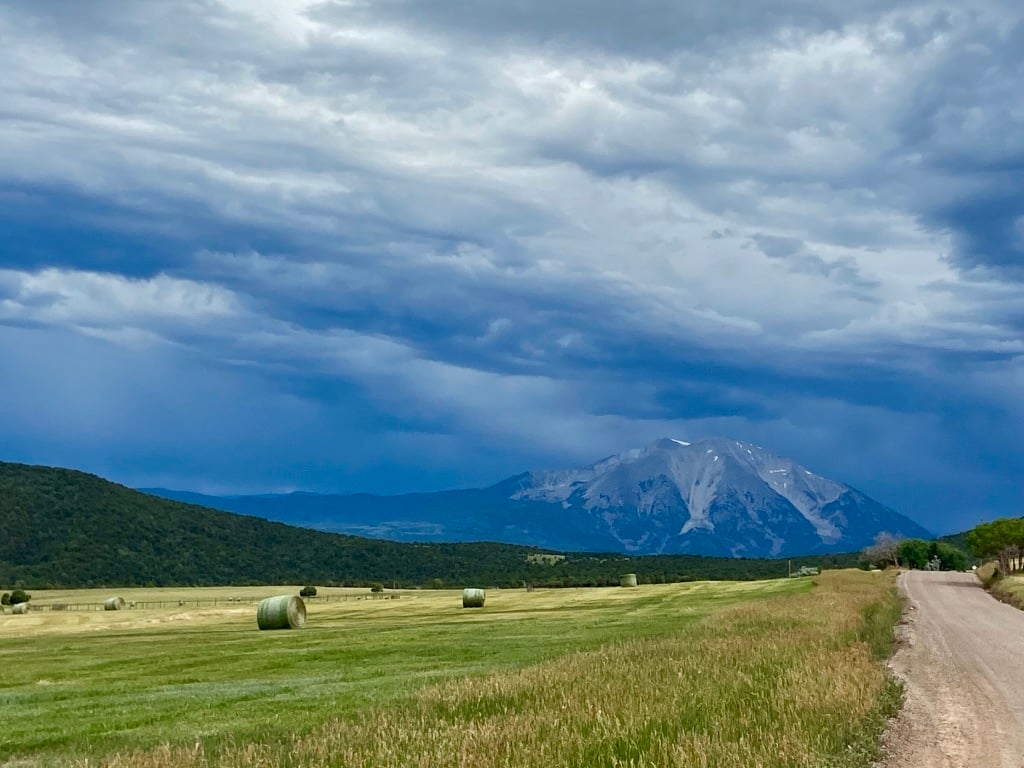
Crested Butte sits at 8,885 feet in the Rockies and covers about one square mile, which gives it a very different feel from larger resort areas. In practical terms, that means daily life happens in a tight, connected core where errands, coffee runs, and social plans can stay close to home.
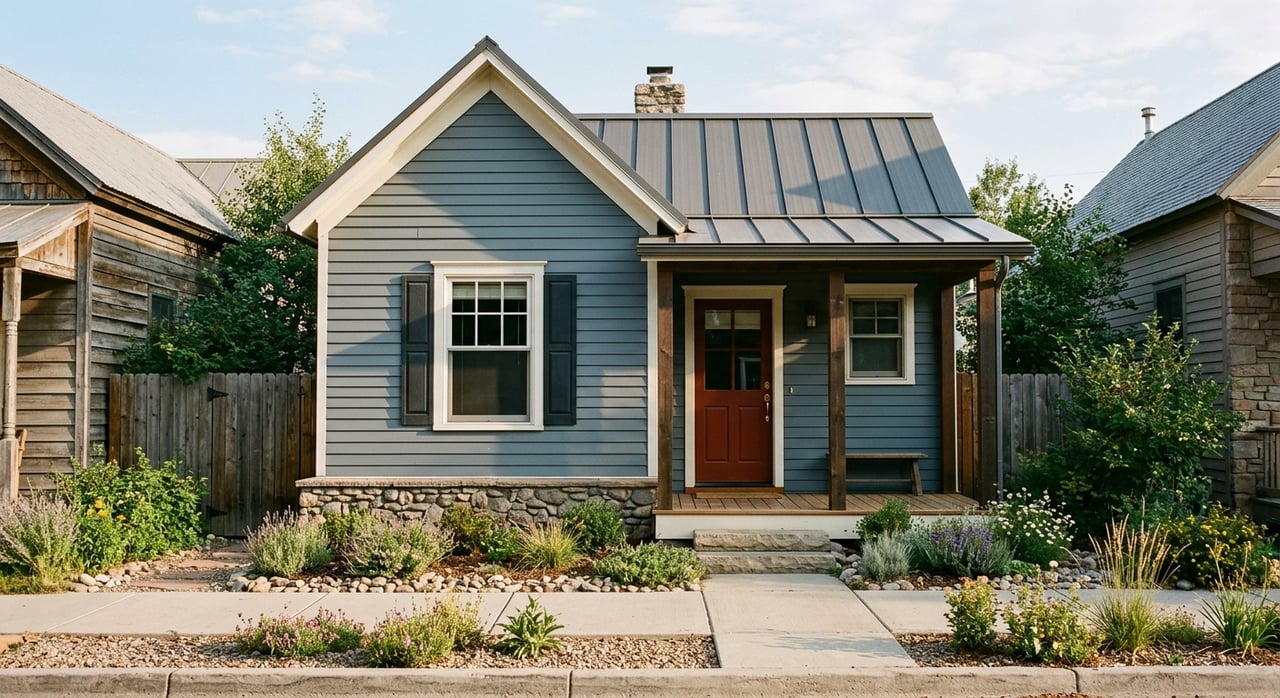
The town’s historic look is one of its defining features. Many downtown buildings date back to the late 1800s, when Crested Butte was a coal-mining town, and the community still reflects that earlier scale today. That preserved character is supported by both a registered National Historic District and a local Historic District that covers the entire town.
Because of that preservation framework, Crested Butte tends to feel visually cohesive. New development and exterior changes are shaped by review processes tied to building, design, land use, and historic preservation. For you as a buyer or future resident, that can translate into a town that feels consistent, recognizable, and intentionally protected.
Elk Avenue is the social center of Crested Butte. It is where you will find a concentration of restaurants, shops, galleries, and recurring community events, all within a compact downtown setting.
The street’s preserved false-front buildings help give Crested Butte its classic mountain-town identity. Instead of feeling dominated by large-scale resort construction, the downtown core still reads as local, historic, and grounded in the town’s roots.
That matters because where you live is not just about the home itself. In Crested Butte, the downtown environment plays a real role in daily quality of life, whether you want to walk to dinner, browse local art, or simply enjoy a town center that still feels distinctly like Crested Butte.
In Crested Butte, the outdoors are not just a weekend activity. They are part of how many people structure their week, choose where to live, and decide how they want to spend their free time.
Winter is a major part of that picture. NOAA climate normals for the Crested Butte station show an annual average snowfall of 203 inches, with cold winter temperatures that make snow a defining part of the season. Crested Butte Mountain Resort reports 1,547 acres of skiable terrain, 165 trails, 15 lifts, and average annual snowfall of 236 inches.
That kind of winter environment influences everyday decisions. You may think more about gear storage, snow removal, proximity to transit, and how quickly you can get to the mountain. For many buyers, mountain living here is as much about practical winter readiness as it is about scenic views.
When the snow melts, Crested Butte shifts quickly into hiking and biking season. The area is widely tied to mountain biking culture, and Crested Butte Mountain Resort says its bike park complements more than 750 miles open to mountain biking across the Gunnison Valley.
The town also supports open-space conservation and maintains trails including Woods Walk, Lupine, Green Lake, and Baxter Gulch. That gives you access to recreation without needing to drive far for every outing.
Summer living often means early trail starts, afternoon time in town, and a routine that stays closely tied to weather and trail conditions. If you want a home base where outdoor access is part of normal life instead of a special trip, Crested Butte stands out.
One thing that sets Crested Butte apart is how clearly the seasons shape the local lifestyle. Winter centers on snow, transit to the mountain, and day-to-day adaptation to cold conditions. Summer opens up trails, events, and longer days outdoors.
Spring and fall bring their own transitions. In a place like this, seasonality is not a side note. It affects what you wear, how you get around, and even how you think about property features like mudrooms, storage, parking, and access.
For buyers coming from outside the region, this is an important part of the adjustment. Mountain town living can feel rewarding and grounded, but it works best when you are ready for a lifestyle shaped by weather and elevation.
Crested Butte has an active event calendar that adds a strong community layer to daily living. The town highlights recurring events such as the Wildflower Festival, the Crested Butte Arts Festival, and the Crested Butte Summer Music Festival.
These are not just visitor attractions. They help define the local rhythm of the year and give residents regular ways to gather, celebrate, and enjoy the setting they live in.
The Wildflower Festival, in particular, reflects how closely the town connects its identity to the surrounding landscape. With hikes, workshops, and garden activities, it reinforces why Crested Butte is known as the Wildflower Capital of Colorado.
Crested Butte’s cultural life is not limited to one type of event. The Arts Festival turns Elk Avenue into a high-country art venue, while the Crested Butte Music Festival presents a broad range of performances across the Gunnison Valley, including opera, symphony, chamber music, bluegrass, rock, and electronica.
That variety gives the town a fuller lifestyle than some people expect from a mountain market. You can have strong access to trails and slopes while still living in a place with visible arts and music programming.
Autumn brings another layer through Vinotok, an autumn equinox festival centered on nature, community, and harvest. The broader event calendar also includes seasonal gatherings and celebrations that stretch social life beyond peak winter and summer periods.
For you as a potential buyer, that can be a meaningful quality-of-life factor. A place that stays socially active across the year often feels more balanced and rooted than one that only comes alive during one season.
Many mountain towns require a car for nearly everything. Crested Butte offers a different experience because of its compact footprint and local transit options.
The town says most places are within walking or biking distance, and Mountain Express provides in-town and inter-mountain bus service every 15 minutes. Many locals also use the Gunnison Valley RTA to move up and down the valley, with regional transit connections that can extend as far as Denver.
That car-light setup can make day-to-day living simpler. Depending on where you live and how you use the town, you may be able to rely less on driving than you would in other mountain communities.
Crested Butte feels tucked into the mountains, but it is not cut off. Gunnison County reports that the Gunnison-Crested Butte Regional Airport offers frequent commercial service through United Express, United Airlines, and American Airlines.
That matters if you are a second-home buyer, a relocating buyer, or someone who expects regular visitors. You still get a mountain setting with a strong sense of separation from city life, but access into and out of the valley remains practical.
For many buyers, this balance is a major part of the appeal. Crested Butte can feel calm and removed without becoming hard to reach.
Crested Butte’s small-town feel is not happening by accident. The town’s Community Plan, adopted in July 2025, emphasizes maintaining, growing, and supporting the full-time community while preserving character and encouraging community-serving housing and businesses.
When you combine that with the historic district protections and transit framework, a clear picture emerges. Crested Butte is being managed with the goal of staying small in scale, local in feel, and connected to everyday community life.
That does not mean the town stands still. It means change tends to happen within a strong framework that values character, function, and livability. For buyers who want a place with a defined identity, that can be a major advantage.
If you are thinking about buying in Crested Butte, the lifestyle should be part of your home search from day one. Here, the right property is not only about square footage or finishes. It is also about how the home fits your routine in winter, your access to town or trails, and the kind of mountain life you want to lead.
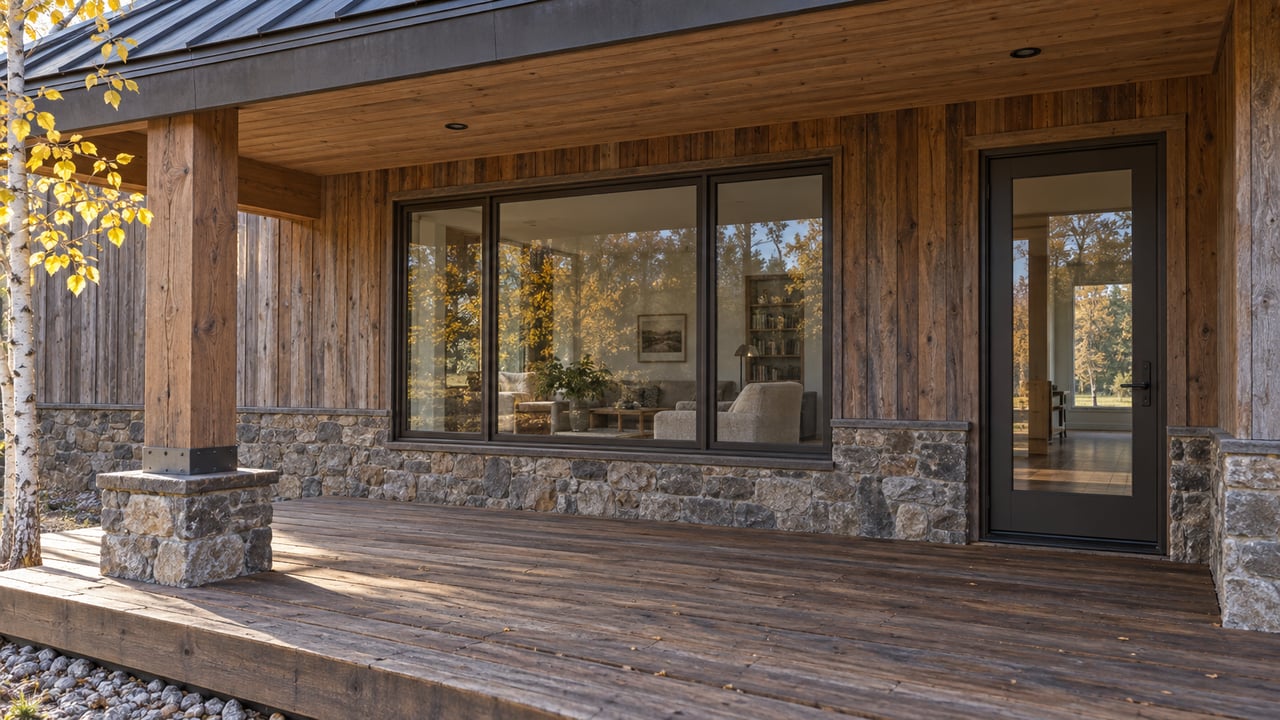
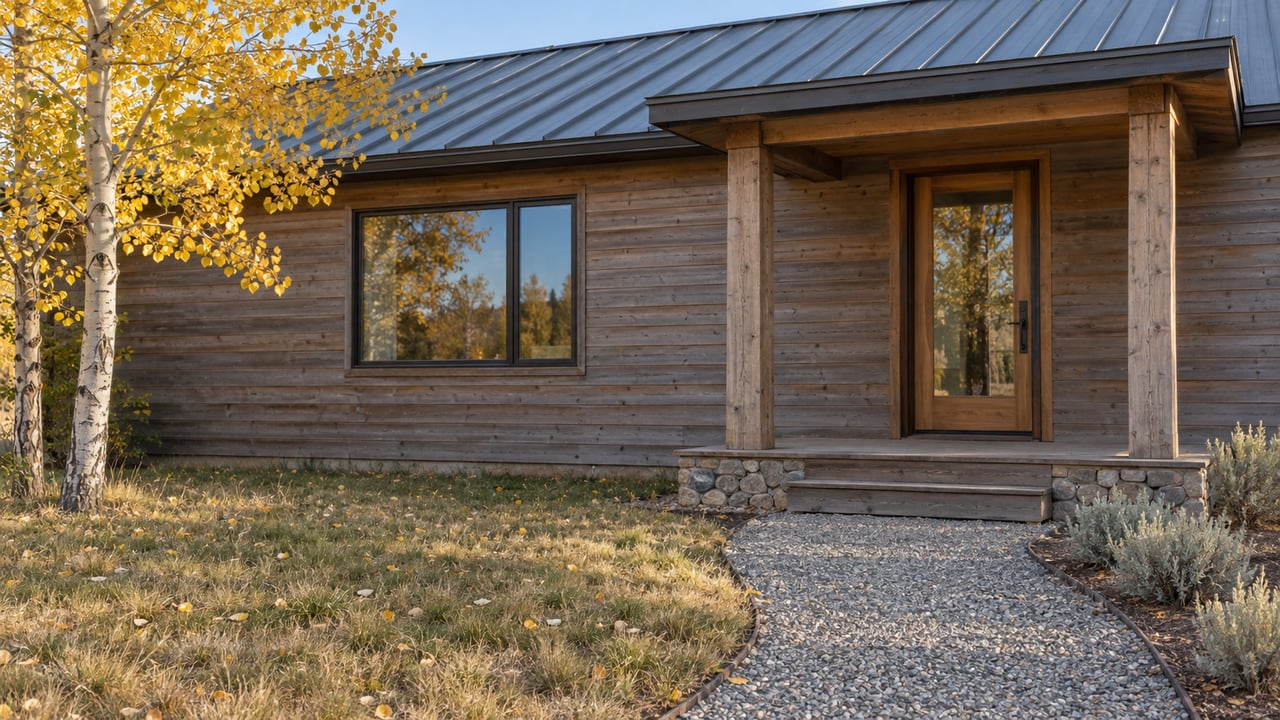
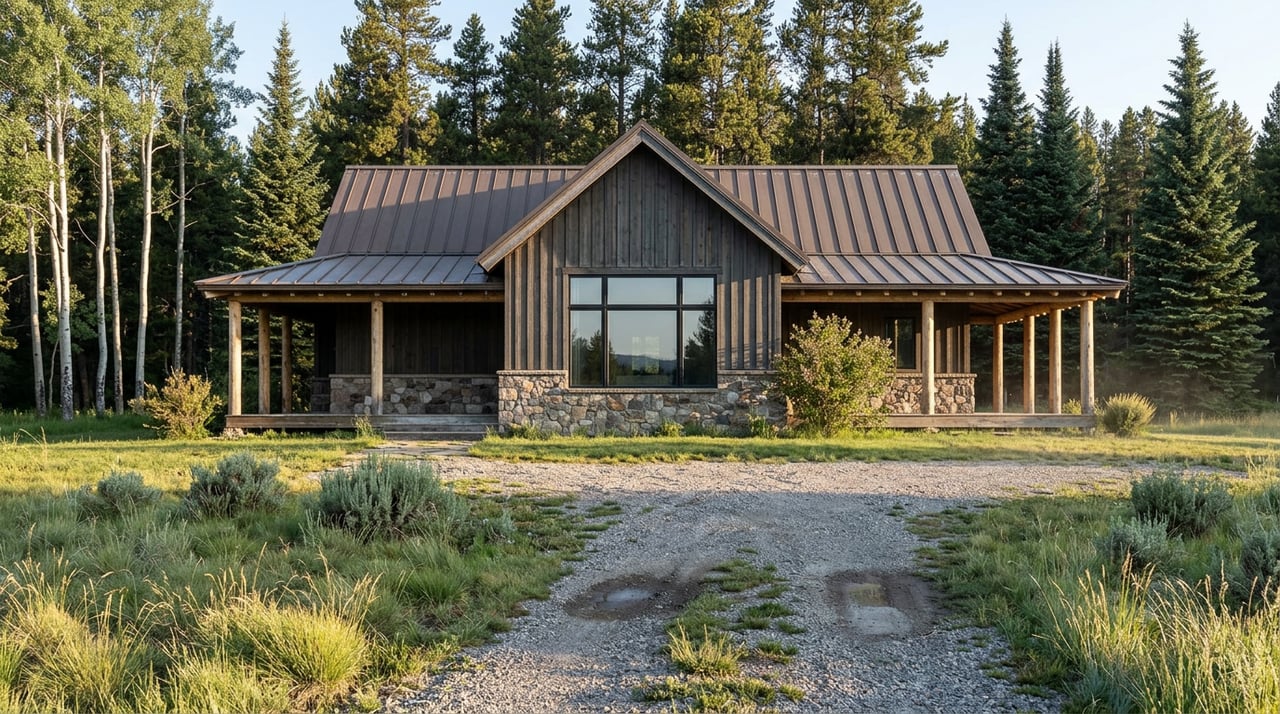
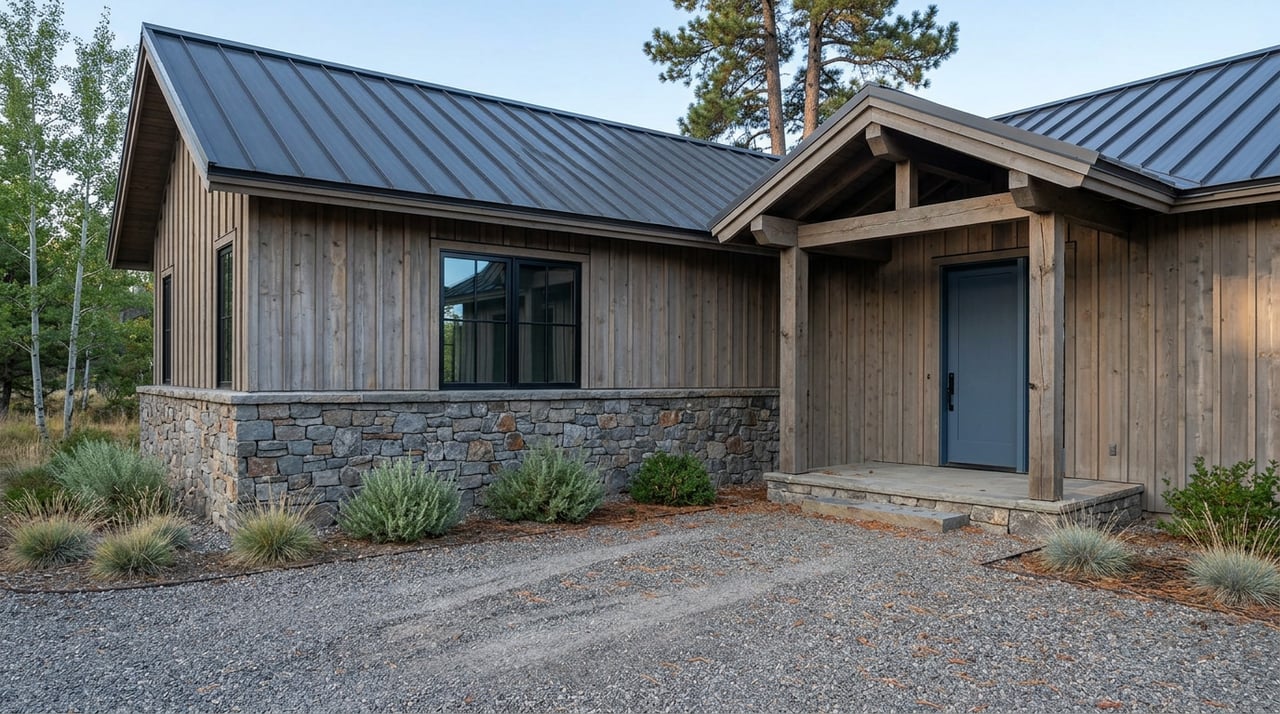
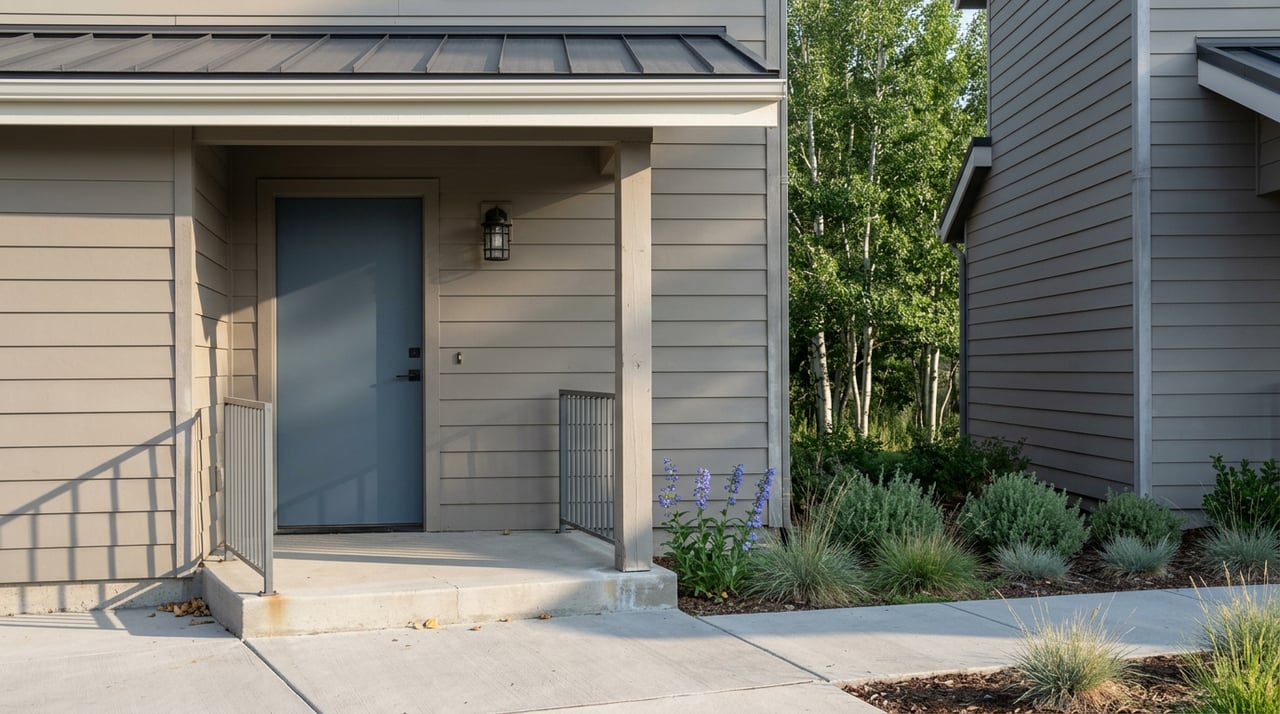
A condo near transit may suit someone who wants easy ski access and low-maintenance living. A single-family home may appeal if walkability, storage, or year-round living space matters most. If you are looking at land, cabins, or more rural property in the valley, practical questions around seasonal access and services become even more important.
That is where local guidance can make a real difference. In a market shaped by snow, recreation, preservation rules, and a distinct town layout, the details matter.
Whether you are relocating, buying from out of town, or looking for a mountain basecamp, working with a local agent who understands these day-to-day factors can help you make a more confident decision. If you want help exploring Crested Butte and the broader Gunnison Valley, connect with Bobby Overturf.
Stay up to date on the latest real estate trends.
I pride myself on informing and educating my clients to make better real estate decisions. Contact me today to find out how I can be of assistance to you!