Owning A Cabin In Lake City: Lifestyle And Expectations
June 4, 2026
June 4, 2026
If you picture cabin ownership as effortless mountain escape, Lake City may surprise you in the best possible way. This is a place where the setting is spectacular, the pace is quieter, and the lifestyle rewards people who plan ahead. If you are thinking about owning a cabin here, it helps to understand what daily use, seasonal access, and property care really look like so you can buy with confidence. Let’s dive in.
Lake City is not a large resort town with constant activity year-round. It is the county seat and only incorporated municipality in Hinsdale County, a place the county describes as the most remote area in the lower 48 states. The county home page says there are 774 residents, with 374 inside Lake City limits, and the town sits at 8,671 feet.
That scale shapes the ownership experience. A cabin here often works best as a high-country base for intentional trips, not a plug-and-play second home where every service is available on demand. If that sounds appealing, Lake City can be a great fit.
The local housing pattern also supports that idea. The town’s historic preservation materials explain that summer-home ownership has been part of Lake City’s identity for a long time, as visitors eventually bought vacant dwellings for seasonal use. In other words, part-time ownership is not unusual here. It is woven into the town’s history.
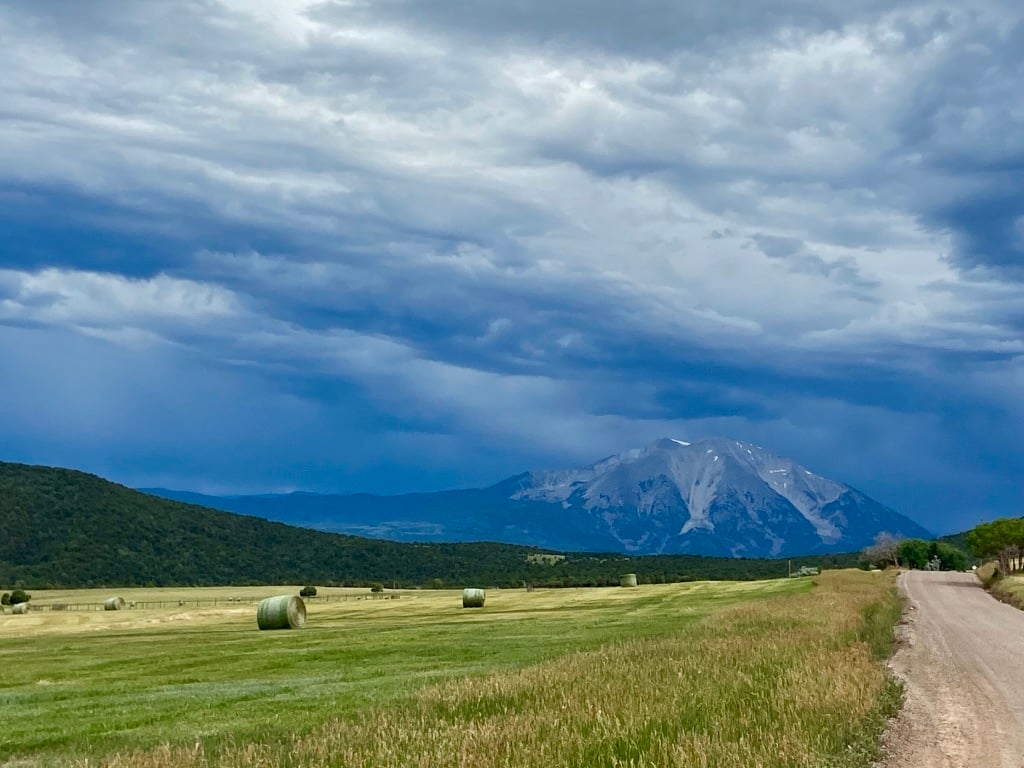
A cabin in Lake City is often less about being busy in town and more about what opens up around you. Hinsdale County says the area’s warm-season activities include hiking, biking, fishing, and fall color viewing, while winter brings skiing, snowshoeing, snowmobiling, ice fishing, and ice skating. With public land making up almost 96.5% of the county, access to the outdoors is part of everyday life.
That matters because your cabin lifestyle will likely follow the seasons. Summer and early fall are especially active, with many trails used from June through October. Lake City is also an official Continental Divide Trail gateway community, and the Lake City Trail Shuttle runs daily from July 1 through August 31.
For many owners, that creates a simple pattern. You come for long summer weekends, stretch visits into peak fall color, and then plan winter trips around snow and ice recreation. Instead of expecting every month to feel the same, you get more out of the property when you lean into those natural seasonal windows.
The land around Lake City is a major part of what you are really buying into. The town’s hiking information says the area offers access to three national forests, one BLM district, four wilderness areas, and two wilderness study areas within miles of town. For buyers who want a cabin that feels like a basecamp, that is a meaningful part of the draw.
This also means the value of a property is often tied to how you plan to use it. You may care as much about trail season, access roads, and proximity to public land recreation as you do about square footage. In Lake City, lifestyle and property choice are closely connected.
In mountain towns, access can be part of the decision, not just an afterthought. Lake City sits on CO 149, the Silver Thread Scenic and Historic Byway. CDOT advises winter drivers to prepare their vehicle and tires, check road and weather conditions, and use current travel information before leaving.
That means cabin ownership here usually works best for people who are comfortable checking conditions before each trip. A clear summer arrival and a winter arrival may feel very different. If you are buying from out of area, this is one of the biggest mindset shifts to make early.
Warm-weather access still comes with timing. The Alpine Loop is a seasonal four-wheel-drive network connecting Lake City, Ouray, and Silverton, and the high passes usually do not open until late June. They also close after the first significant fall snowstorms.
Hinsdale County’s official OHV season runs from June 1 through September 30. If off-road access and high-country exploring are part of your cabin vision, those dates help set realistic expectations. It is a huge lifestyle benefit, but it is not year-round in the same way.
One of the clearest things to understand about Lake City is that convenience works differently here. Town Hall keeps weekday hours from 9:00 a.m. to 4:00 p.m., and county offices also operate on weekday schedules. The county transfer station has limited in-person hours, with winter service on Tuesdays, Thursdays, and Saturdays and an added Friday in summer.
For part-time owners, that means a little organization goes a long way. If you need to handle local errands, town questions, billing issues, or trash drop-off, it helps to coordinate your trip around those service windows. Mountain ownership here tends to reward people who plan rather than assume everything is available every day.
The Town of Lake City says its public works department handles water and sanitation, along with streets, alleys, and town parks. The water and sanitation district extends beyond town limits, and billing is bi-monthly. Even if you use your cabin seasonally, municipal service billing may still be part of ownership costs.
That does not make ownership difficult. It just means your budget should reflect how local systems actually work. In a small mountain community, practical details matter.
If you are dreaming about buying a cabin and immediately remodeling it, pause and check location details first. Much of Lake City’s housing stock sits within the Lake City National Historic District, which the town says covers about 142 acres across more than 34 blocks. It is one of the oldest and best preserved historic districts in Colorado.
That has real implications for ownership. According to the town, new buildings and changes to existing structures within the district must comply with local design guidelines. Those guidelines are used in project review by the building inspector, preservation review officer, and Board of Trustees.
For many buyers, this is not a drawback. It is part of what gives Lake City its distinct feel. The town notes that individual property owners have helped preserve older buildings through exterior work, roof replacement, and foundation repair, supporting local craftspeople and contractors in the process.
So if you buy here, you are often joining a place where preservation, seasonal use, and recreation overlap. That can be deeply rewarding if you appreciate character and are willing to work within local expectations. It is less ideal if you want a property where changes can happen quickly and with minimal review.
Some mountain towns feel like they go quiet after fall. Lake City still offers winter recreation that matters to owners who want to use their cabin beyond summer. The Town of Lake City says the Lake City Ice Park is open from November to March, weather permitting, on public BLM land and is free to the public. The Lake City Ski Hill is one mile south of town on Highway 149 and has regular weekend hours.
The town also maintains an outdoor ice rink when temperatures allow. That gives winter owners more than just snowy scenery. It creates actual reasons to come use the property during the colder months.
Still, winter use works best when you are honest about your comfort level. If you enjoy checking weather, preparing for mountain travel, and treating the trip as part of the experience, winter cabin ownership can be a great fit. If you want predictable access with minimal weather impact, your expectations may need adjusting.
Lake City often fits buyers who want a quieter mountain pattern. You may be a good match if you value scenery, trail access, seasonal recreation, and a strong sense of place more than constant amenities or convenience. It also tends to work well for people who see a cabin as a long-term lifestyle decision, not just a quick getaway purchase.
In practical terms, Lake City can make sense for buyers who:
It may be less ideal if you want highly predictable year-round access to services, a fast-paced second-home market, or a property that requires little thought between visits.
A good cabin purchase in Lake City starts with clear expectations. Before you move forward, take time to evaluate how the property fits your real use pattern, not just your ideal one.
Here are a few smart questions to ask:
These questions can help you avoid buying the wrong cabin for the right town. In a place like Lake City, fit matters as much as features.
Cabin shopping in a remote mountain market is different from buying in a larger town. Access, seasonality, local review standards, and practical ownership logistics all matter alongside the property itself. That is especially true if you are buying from out of the area or trying to compare Lake City with other mountain communities.
Working with someone who understands mountain property can help you look beyond the photos. You want clear insight into how a home lives through the seasons, what to expect from the location, and where a cabin may be a strong fit for your goals. That kind of local perspective can make your decision much more grounded.
If you are thinking about buying or selling a cabin in Lake City, Bobby Overturf can help you sort through the lifestyle, access, and property details that matter most.
Stay up to date on the latest real estate trends.
I pride myself on informing and educating my clients to make better real estate decisions. Contact me today to find out how I can be of assistance to you!